To The Island
A wise and compassionate novel, beautifully written.
— The Times
A powerful novel… there is a meditative, painterly quality to this novel, which reflect the way Delahunt, a practising Buddhist, writes and thinks.
— The Glasgow Herald
One of the things that lifts Meaghan Delahunt’s novels above the ordinary, besides her attentive and spiky prose, is her political interest… It may always be politics, or a political cause, that anchors Delahunt’s tales, but her mapping of the political onto the personal shows that she never forgets the human faces behind the banners.
— The Scotsman
It is a tale of recovery, of people who go through very bad things and then get better, in a limited and circumscribed way. It has more in common with a novel by Jean Rhys or Ernest Hemingway than the usual story of recovery… The writing is spare, sinewy; the mood goes from dark to a little less dark.
— The Financial Times
This is a novel of quietly intense physicality… Meaghan Delahunt explores the labyrinths of the human heart in a long awaited third novel.
— Scotland on Sunday
In this vivid, emotional novel… Delahunt explores how politics reverberate through families, culture and time. Her powerful descriptions bring to life a period in Greece’s history when friends would betray you, torture was commonplace and information was a weapon.
— She
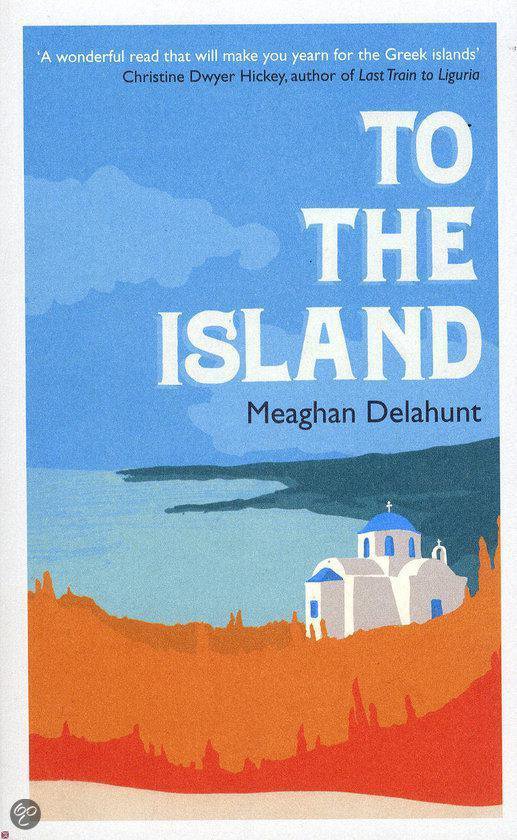
He disappeared. That’s all she really knew. In search of her father Andreas, whom she has never met, Lena travels with her small son from Australia to Greece. On the island of Naxos she finds him, a wary, tormented man living in self-imposed exile and haunted by what happened to him under the rule of the Colonels in the 1960s. Slowly Lena unlocks the secrets of her father’s past, and in getting to know him begins to understand the dark realities of contemporary Greek history. To the Island is a book about the impact of larger political events on the lives of ordinary people, and how political and personal betrayals reverberate across generations, beautifully evoking the currents and cross-currents between individuals, within families and in broader society. And in Lena and Andreas’s stories, it shows how difficult it is to confront our personal and collective pasts – and the terrible consequences of being unable to do so.
Purchase from:

